

How Long Does It Take to Lose 30 Pounds on GLP-1? A San Diego Medical Weight Loss Guide
If you’ve searched “how long does it take to lose 30 pounds on GLP-1,” you’re probably standing in your kitchen in La Jolla, Hillcrest, or North Park wondering if this is finally the plan that sticks. You’ve seen the headlines, maybe a friend at your gym in Pacific Beach mentioned dropping two pant sizes, and you want a straight answer: how long will this actually take, and is it right for you?
Here’s the honest, medically grounded answer — plus what a realistic, safe, and sustainable path looks like when you work with a GLP-1 weight loss clinic in San Diego instead of guessing on your own.
What Is GLP-1 and How Does It Help You Lose Weight?
GLP-1 (glucagon-like peptide-1) is a hormone your gut naturally produces after eating. It signals your brain that you’re full, slows down digestion, and helps regulate blood sugar. GLP-1 receptor agonist medications — like GLP-1 and Combination of GLP-1 and GIP — mimic this hormone at higher, sustained levels, which is why people on these weight loss injections typically report:
- Reduced appetite and fewer cravings
- Feeling full faster and staying full longer
- Less “food noise” throughout the day
- Improved blood sugar control
This isn’t a stimulant or a fat-burning shortcut — it’s a hormonal tool that makes it dramatically easier to eat in a calorie deficit without feeling like you’re constantly fighting hunger.
So, How Long Does It Take to Lose 30 Pounds on GLP-1?
For most adults, losing 30 pounds on a GLP-1 medication takes roughly 5 to 8 months, assuming proper dose titration and consistent habits. That said, your exact timeline depends on your starting weight, the specific medication, your dose, and your lifestyle.
Here’s a realistic month-by-month breakdown based on clinical data and what our providers commonly see with medical weight loss patients in San Diego:
| Timeframe | Typical Weight Loss | What’s Happening |
| Month 1 | 4–8 lbs | Dose titration begins; appetite suppression starts kicking in |
| Month 2 | 8–14 lbs total | Dose increases; cravings drop noticeably |
| Month 3 | 12–20 lbs total | Body composition changes become visible |
| Month 4–5 | 18–28 lbs total | Weight loss steadies at a sustainable pace |
| Month 6–8 | 25–35+ lbs total | Many patients reach or pass the 30-lb mark |
Most people lose 1–2% of body weight per month once they’re on a therapeutic (maintenance) dose. So someone starting at 220 pounds may hit the 30-pound mark faster than someone starting at 160 pounds, simply because higher starting weights typically respond with larger absolute losses early on.
GLP-1 vs. GLP-1/GIP: Does the Medication Change the Timeline?
Both are effective, but they aren’t identical:
- GLP-1 (the active ingredient found in brand-name weekly injections) generally produces average total body weight loss in the range of 12–17% over about a year of consistent use.
- Combination of GLP-1 and GIP, which acts on two gut hormone receptors instead of one, tends to produce somewhat faster and greater average weight loss for many patients — often in the 15–21% range over a similar period.
If your goal is specifically 30 pounds, combination of GLP-1 and GIP may get you there a bit sooner for some patients, but the “best” option depends on your health history, tolerance, and goals — which is exactly why GLP-1 treatment in San Diego should always start with a provider consultation, not a guess.
The 4 Biggest Factors That Affect Your GLP-1 Timeline
1. Dose Titration
GLP-1 medications are always started low and increased gradually (usually every 4 weeks) to minimize nausea and other side effects. Rushing this process doesn’t speed up fat loss — it just increases side effects. Patience during the first 4–8 weeks pays off.
2. Protein Intake & Strength Training
Because GLP-1 medications reduce appetite, it’s easy to under-eat protein, which can lead to muscle loss instead of fat loss. Patients who prioritize protein and light resistance training tend to lose weight faster and keep their metabolism healthier long-term.
3. Starting Weight and Metabolic Health
Individuals with a higher starting BMI, insulin resistance, or PCOS often see faster initial results as their metabolic health improves alongside the medication.
4. Medical Supervision and Support
Patients enrolled in a structured, physician-guided prescription weight loss program in San Diego — with regular check-ins, lab work, and dose adjustments — consistently see better and faster results than those self-administering without oversight.
What Slows Down (or Stalls) GLP-1 Weight Loss?
- Skipping doses or inconsistent injection timing
- Not eating enough protein or fiber
- Extremely low calorie intake, which can trigger a metabolic slowdown
- Untreated thyroid or hormonal issues
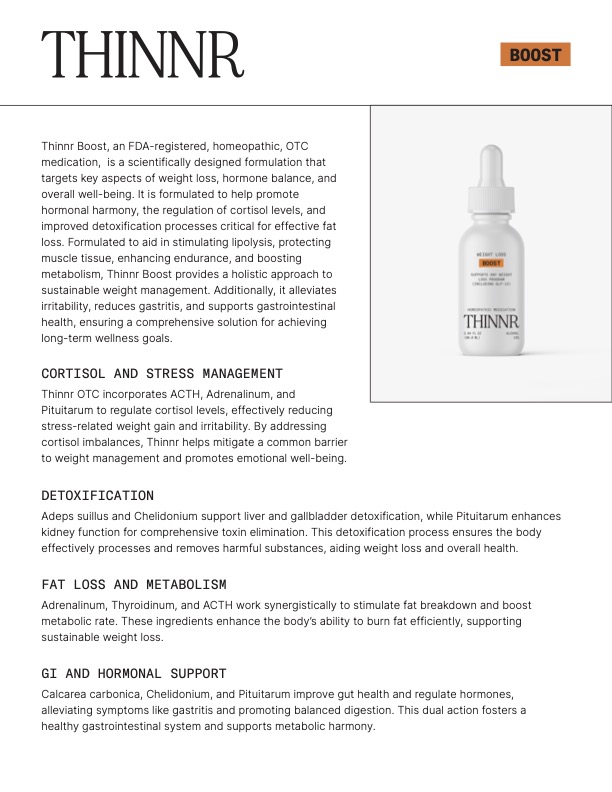
- Plateaus around month 3–4, which are normal and usually resolve with a dose adjustment or program tweak like our Thinnr weight loss protocol
Why San Diego Residents Are Turning to Medically Supervised GLP-1 Programs
San Diego’s active, outdoor lifestyle — from Balboa Park runs to paddleboarding in Mission Bay — means a lot of our patients want sustainable results, not a quick fix that rebounds. A medically supervised weight loss clinic in San Diego, CA gives you:
- A physician-reviewed intake and lab work before starting treatment
- Personalized dosing instead of a one-size-fits-all protocol
- Ongoing monitoring to catch side effects early
- Nutrition and lifestyle guidance to protect lean muscle while losing fat
- Access to complementary support like peptide therapy for energy, recovery, and metabolic optimization
This is very different from ordering GLP-1 medication online from an unverified source — a practice the FDA has repeatedly warned against due to counterfeit and improperly compounded products circulating outside licensed clinical settings, according to the National Institute of Diabetes and Digestive and Kidney Diseases.
Realistic Expectations: What Losing 30 Pounds Actually Looks Like
To set expectations honestly:
- Weeks 1–4: Mild appetite reduction, possible nausea as your body adjusts, 3–7 lbs down
- Weeks 5–12: Noticeable appetite control, clothes fitting differently, steady weekly loss
- Months 3–5: The bulk of your 30-pound goal is typically achieved here
- Months 6+: Continued loss and maintenance, with many patients choosing to stay on a lower maintenance dose
Weight loss is rarely perfectly linear — expect some weeks with little movement on the scale even while your body composition continues to improve.
Is GLP-1 Right for You?
GLP-1 medications are generally appropriate for adults with a BMI of 27+ with a weight-related health condition, or a BMI of 30+, though every case is different. The only way to know for sure is a proper medical evaluation that reviews your health history, current medications, and goals.
Start Your GLP-1 Weight Loss Journey in San Diego
At creatIV Hydration, our San Diego providers create individualized GLP-1 treatment plans — with proper dosing, lab monitoring, and lifestyle coaching — so your weight loss is not just fast, but sustainable. Whether you’re just starting to research GLP-1 injections in San Diego or you’re ready to begin, our team is here to guide every step.
Schedule your consultation with creatIV Hydration today and find out exactly what your personalized 30-pound weight loss timeline could look like.
Frequently Asked Questions
How much weight can I realistically lose in the first month on GLP-1?
Most patients lose between 4–8 pounds in month one, as the dose is still being titrated upward.
Can I lose 30 pounds on GLP-1 without changing my diet?
You’ll likely see some results, but pairing GLP-1 with adequate protein intake and light activity produces faster, more sustainable fat loss while preserving muscle.
Is GLP-1 weight loss permanent?
Weight can return if the medication is stopped abruptly without a maintenance plan, which is why our San Diego program includes a structured tapering and maintenance strategy.
How do I find a trustworthy GLP-1 weight loss clinic near me in San Diego?
Look for a clinic with licensed medical providers, in-person or telehealth evaluations, lab work, and ongoing monitoring — not a service that ships medication without a real consultation.