
How Is THINNR Different From Prescription Weight Loss? A San Diego Comparison Guide
If you’re researching weight loss options in San Diego, you’ve probably noticed two very different paths trending right now: prescription GLP-1 injections like GLP-1 and GLP-1/GIP, and THINNR, a natural, needle-free protocol marketed as an alternative to them. They can both lead to real results, but they work in completely different ways — and knowing the difference matters before you commit to either one.
Here’s a clear, honest breakdown of how THINNR compares to prescription GLP-1 weight loss, so you can decide which approach fits your body, your goals, and your comfort level.
What Is THINNR?
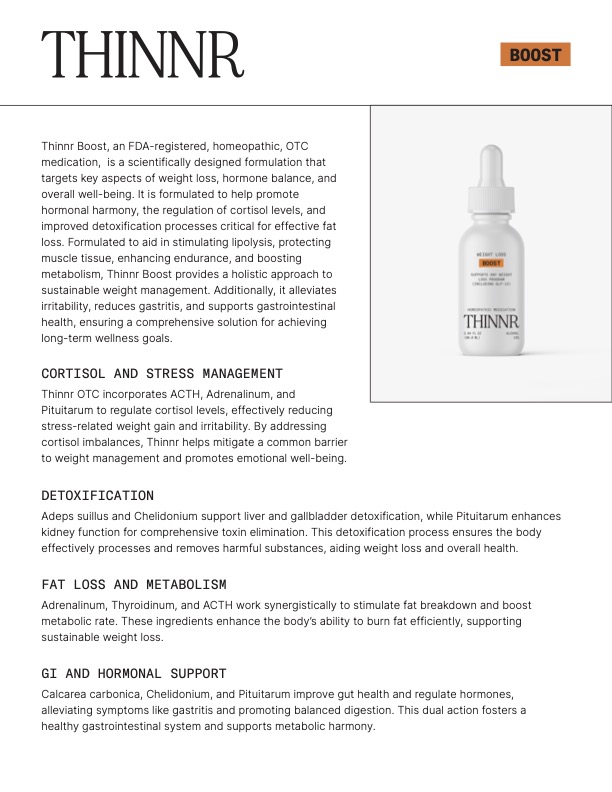
THINNR is a 6-week, provider-guided weight loss protocol built around naturopathic and homeopathic principles rather than pharmaceutical medication. It’s designed as a needle-free option for people who want structured, medically supervised support without injections or a prescription drug in their system.
Key characteristics of THINNR:
- No prescriptions, no injections — the protocol uses homeopathic drops, targeted nutrition, and metabolic support instead of medication
- 6-week structured timeline, followed by a required Metabolic Normalization phase to help maintain results
- Provider-guided, with check-ins and app-based tracking for meals, weight, and progress
- Designed to reset metabolic patterns rather than suppress appetite hormonally
What Is Prescription GLP-1 Weight Loss?
GLP-1 medications are FDA-regulated prescription drugs that mimic a natural gut hormone to reduce appetite, slow digestion, and support significant, clinically studied weight loss. Because they’re prescription medications, they require:
- A medical evaluation and health history review
- Lab work in many cases
- A prescribing provider
- Ongoing dose titration (start low, increase gradually)
- Regular monitoring for side effects
Patients on weight loss injections typically see appetite suppression within days to weeks, with steady, sustained fat loss over several months as the dose is optimized.
THINNR vs. Prescription GLP-1: Side-by-Side
| THINNR | Prescription GLP-1 | |
| Method | Homeopathic drops + nutrition protocol | Injectable medication (weekly) |
| Prescription required | No | Yes |
| Needles involved | No | Yes |
| Program length | 6 weeks + maintenance phase | Ongoing, typically 6+ months |
| Mechanism | Metabolic/behavioral reset | Hormonal appetite suppression |
| Best for | Needle-averse patients wanting a structured reset | Patients wanting significant, sustained medical weight loss |
| Clinical research volume | Limited compared to GLP-1 | Extensively studied in clinical trials |
Which One Actually Works Better?
This is the question everyone wants answered, and the honest response is: it depends on your goals and your body.
GLP-1 medications have a large and growing body of clinical research behind them, with well-documented average weight loss ranging from roughly 12% to over 20% of body weight over a year, depending on the specific medication. If you’re carrying significant excess weight, have insulin resistance, or have struggled with appetite control specifically, a GLP-1 treatment plan in San Diego tends to produce more predictable, substantial results.
THINNR is better understood as a structured reset — a shorter-term program aimed at breaking unhealthy metabolic and eating patterns without medication. It can be a strong entry point for people who:
- Are needle-averse or don’t want to be on a prescription medication
- Have a smaller amount of weight to lose
- Want a shorter, defined commitment (6 weeks vs. an open-ended prescription)
- Are looking to prepare their metabolism before or after a GLP-1 program
It’s worth noting that homeopathic products, as a category, are not required to demonstrate the same level of clinical evidence as FDA-approved prescription medications — a distinction the National Center for Complementary and Integrative Health explains in more detail. That doesn’t mean a structured, provider-guided program like THINNR can’t help — but it does mean the two approaches sit in very different evidence categories, and that’s worth knowing going in.
Can You Do Both?
Yes — and many San Diego patients actually use them together strategically. A common approach:
- Start with THINNR to reset eating patterns, reduce inflammation, and build sustainable habits over 6 weeks
- Transition into a medical weight loss and metabolic health program using GLP-1 medication for more substantial, longer-term fat loss
- Use the habits built during THINNR to support long-term maintenance after reaching a GLP-1 goal weight
This layered approach can make the GLP-1 phase more effective, since patients often enter it with better nutrition habits already in place.
How to Decide Between THINNR and GLP-1
Ask yourself:
- How much weight do I want to lose? Smaller goals may suit THINNR; larger goals often respond better to GLP-1.
- Am I comfortable with weekly injections? If not, THINNR removes that barrier entirely.
- Do I want an open-ended program or a defined 6-week commitment?
- Do I have underlying metabolic conditions (like insulin resistance or PCOS) that might respond specifically to GLP-1’s hormonal mechanism?
There’s no universally “better” option — only the option that’s better for your specific body and goals, which is why a real consultation matters more than a Google search.
Get a Personalized Recommendation in San Diego
At creatIV Hydration, our providers evaluate your health history, goals, and lifestyle before recommending THINNR, a GLP-1 program, or a combination of both. No guessing, no one-size-fits-all protocol — just a plan built around what will actually work for you.
Schedule a consultation with our San Diego team to find out whether THINNR, prescription weight loss, or a combined approach is the right fit.
Frequently Asked Questions
Is THINNR as effective as GLP-1 injections?
For smaller weight loss goals and metabolic resets, THINNR can be effective. For larger, sustained weight loss, prescription GLP-1 medications generally have stronger clinical backing.
Does THINNR require a prescription in San Diego?
No. THINNR is a homeopathic, provider-guided protocol and does not require a prescription, unlike GLP-1 or Combination of GLP-1 and GIP.
Can I switch from THINNR to a GLP-1 program later?
Yes. Many patients complete THINNR first and transition into a medically supervised GLP-1 program for continued or more significant weight loss.
Which is safer, THINNR or GLP-1 medication?
Both can be safe when provider-guided. GLP-1 medications carry more clinical safety data and require monitoring for medication-specific side effects; THINNR avoids medication side effects but has less robust clinical research overall.