

What Are the Side Effects of GLP-1 Injections for Weight Loss? A San Diego Patient’s Guide
If you’re exploring GLP-1 weight loss in San Diego, you’ve probably already heard about the appetite control and steady fat loss these medications can offer. But before starting any treatment, it’s just as important to understand the side effects — what’s common, what’s rare, and what should prompt a call to your provider.
Here’s a clear, medically grounded breakdown of what to expect, based on how GLP-1 receptor agonist medications work in the body.
How GLP-1 Injections Work (And Why Side Effects Happen)
GLP-1 receptor agonist medications work by mimicking a natural gut hormone that slows digestion, reduces appetite, and helps regulate blood sugar. Because they directly affect how your digestive system and stomach function, most side effects are related to that slower digestion process — especially in the first few weeks and after each dose increase.
This is also why medically supervised weight loss injections are titrated gradually rather than started at full dose: giving your body time to adjust significantly reduces the intensity of side effects.
Common Side Effects (Most Patients Experience Some of These)
These are the most frequently reported side effects, especially during the first 4–8 weeks or after a dose increase:
- Nausea — the most common side effect, usually mild to moderate and easing over time
- Diarrhea or constipation — digestion slows down, which can affect bowel regularity in either direction
- Bloating and gas
- Reduced appetite (this is the intended effect, but can feel intense at first)
- Fatigue, especially in the first couple of weeks
- Mild headaches
- Injection site reactions — redness, itching, or mild swelling at the injection area
For most patients, these symptoms are manageable and tend to fade as the body adjusts to each dose level.
Less Common Side Effects
- Heartburn or acid reflux
- Dizziness, particularly if appetite reduction leads to lower food or fluid intake
- Belching or a feeling of fullness that lasts longer than expected
- Changes in taste
- Hair thinning — typically linked to rapid weight loss and reduced calorie/protein intake rather than the medication itself
Serious (But Rare) Side Effects
These are uncommon, but patients should be aware of them and know when to seek medical attention:
- Pancreatitis — signs include severe, persistent abdominal pain, sometimes radiating to the back, often with nausea or vomiting
- Gallbladder issues, including gallstones — more likely with rapid weight loss in general, not exclusive to GLP-1 medications
- Kidney problems, particularly in patients who become dehydrated from prolonged vomiting or diarrhea
- Severe allergic reactions — swelling of the face/throat, difficulty breathing, or severe rash
- Changes in vision in patients with pre-existing diabetic eye conditions
- Thyroid tumor risk — a warning noted based on animal studies; patients with a personal or family history of certain thyroid cancers are typically advised against these medications
This is exactly why GLP-1 treatment should always begin with a full medical history review, not a self-directed decision — a core part of any responsible medical weight loss program in San Diego.
How to Minimize Side Effects
Patients who work with a provider on proper dosing and lifestyle adjustments typically report a much smoother experience:
- Never skip the titration schedule. Increasing your dose too quickly is one of the most common causes of severe nausea and vomiting.
- Eat smaller, more frequent meals rather than large portions, since digestion is slower on GLP-1 medication.
- Prioritize protein and fiber, and avoid very high-fat or greasy meals, which tend to worsen nausea.
- Stay well hydrated, especially if you experience any diarrhea or reduced appetite.
- Avoid alcohol during the first few weeks, as it can intensify nausea and dehydration risk.
- Report symptoms early rather than waiting — most side effects are easier to manage when caught and adjusted for quickly.
When to Call Your Provider Immediately
Contact your provider (or seek urgent care) if you experience:
- Severe or persistent abdominal pain
- Vomiting that prevents you from keeping fluids down
- Signs of an allergic reaction (facial swelling, difficulty breathing, hives)
- Signs of dehydration (dizziness, dark urine, confusion)
- Vision changes
Why Medical Supervision Matters for Side Effect Management
Side effects are far more manageable — and far less likely to become serious — when you’re on a properly monitored dosing schedule with a provider who can adjust your plan in real time. This is one of the biggest risks with obtaining GLP-1 medication from unverified online sources: there’s no one reviewing your labs, checking in on symptoms, or adjusting your dose if something isn’t working for your body.
At a licensed GLP-1 weight loss clinic in San Diego, your treatment includes:
- A full health history and medication review before starting
- Gradual, individualized dose titration
- Regular check-ins to catch and manage side effects early
- Lab monitoring where appropriate
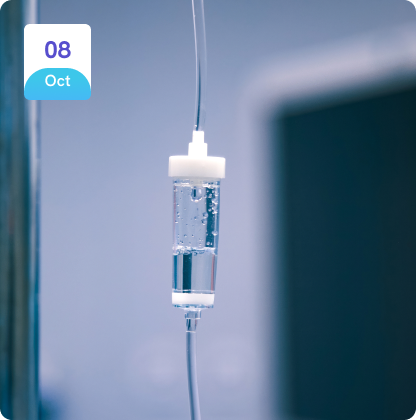
- Access to complementary support, like IV hydration, to help manage nausea-related dehydration or fatigue during treatment
According to the National Institute of Diabetes and Digestive and Kidney Diseases, most people who experience side effects from GLP-1 receptor agonist medications see them improve as their body adjusts to treatment, particularly with gradual dose increases — which reinforces why titration and provider guidance matter as much as the medication itself.
Talk to a San Diego Provider Before You Start
Every patient responds differently to GLP-1 treatment, and the right dosing schedule, nutrition plan, and monitoring can make the difference between a manageable adjustment period and an uncomfortable one.
Schedule a consultation with creatIV Hydration to get a personalized GLP-1 plan built around your health history — with real medical oversight every step of the way.
Frequently Asked Questions
Do GLP-1 side effects go away over time?
For most patients, yes. Nausea and digestive side effects are typically most noticeable in the first few weeks after starting or increasing a dose, then ease as the body adjusts.
What is the most common side effect of GLP-1 injections?
Nausea is the most commonly reported side effect, followed by digestive changes like diarrhea, constipation, or bloating.
Can I prevent side effects entirely?
Not entirely, but following a proper titration schedule, eating smaller meals, staying hydrated, and avoiding alcohol significantly reduces the severity of most side effects.
When should I be concerned about a side effect?
Severe abdominal pain, inability to keep fluids down, signs of an allergic reaction, or vision changes should prompt an immediate call to your provider.